





















Curating Your Cosmic Gallery: How to Display and Protect Moldavite Gems and Specimens

You most likely recall the pause if you have ever held a Moldavite stone specimen for the first time. That silent moment when everything seems to be motionless and the stone feels oddly alive in your grasp. The combination of ancient mystery, unadulterated beauty, and the inexplicable allure of something molded by cosmic force is what Moldavite has to offer.
The desire to create a personal collection comes swiftly, regardless of whether you are drawn to its texture, green fire, or origin story, which started with a meteorite impact millions of years ago. And once it does, the next question is obvious: How do you display and protect these treasures in a way that does justice to their story?
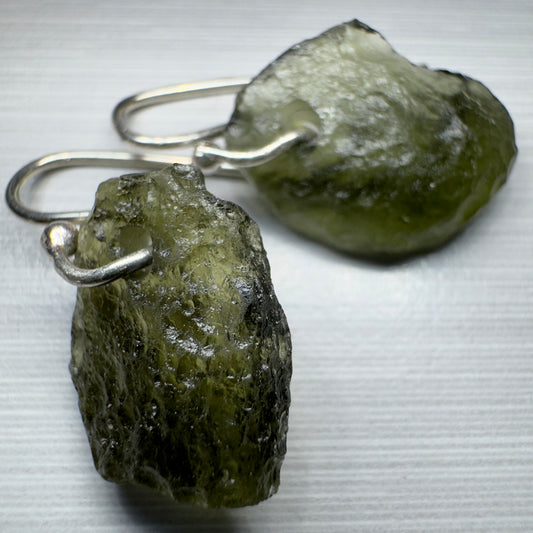
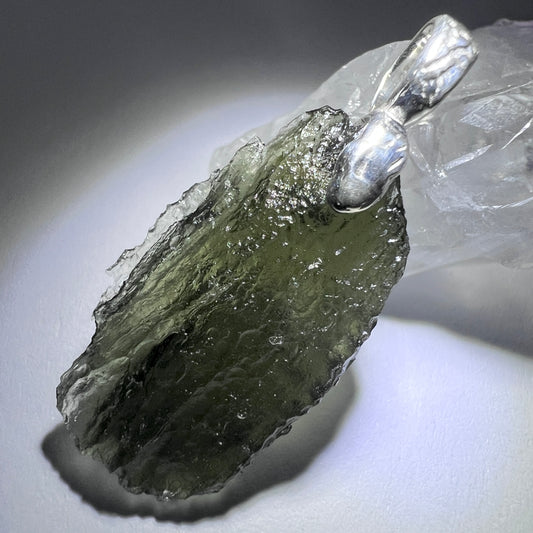
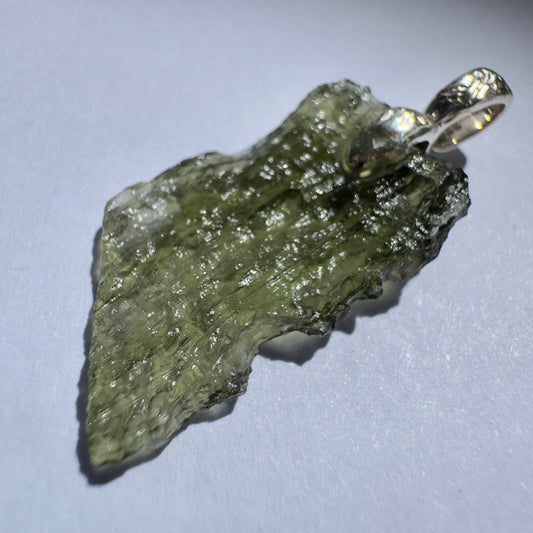
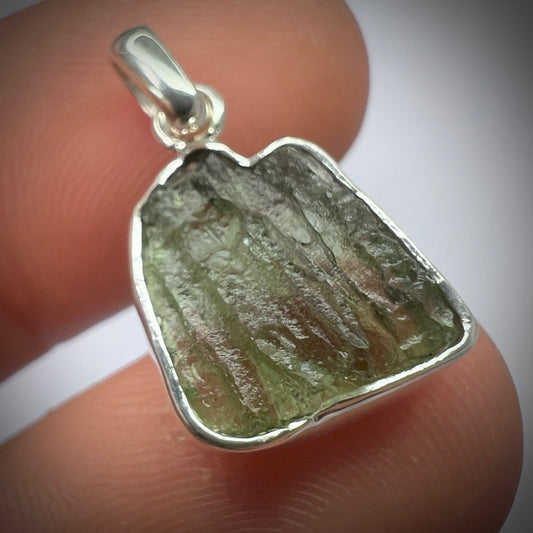
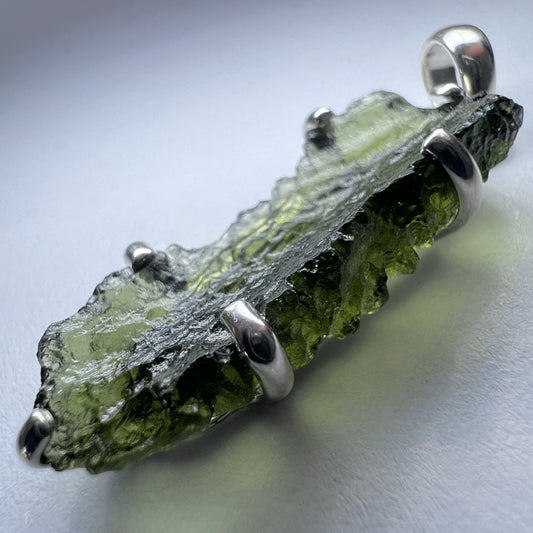
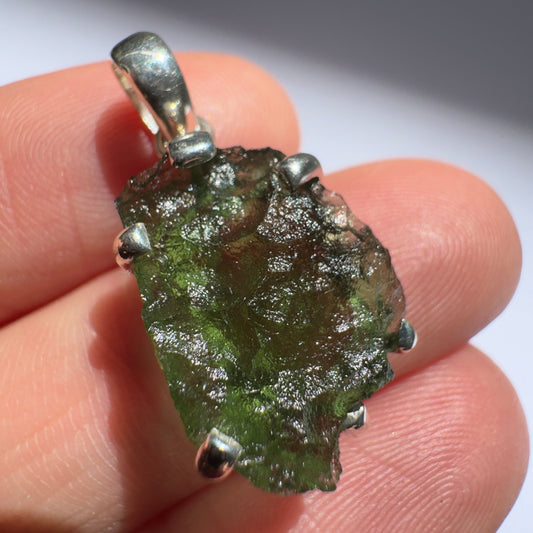
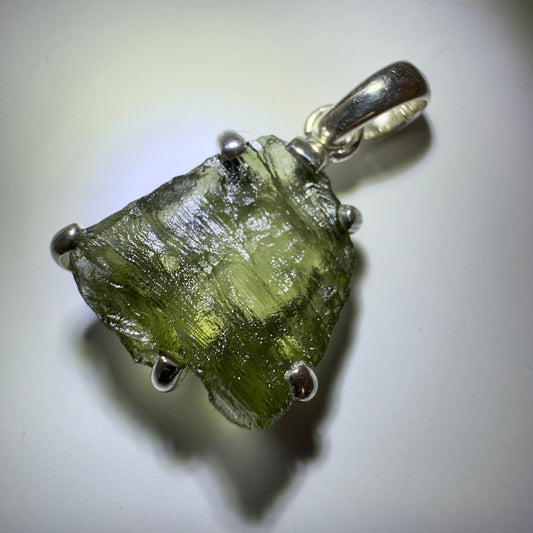
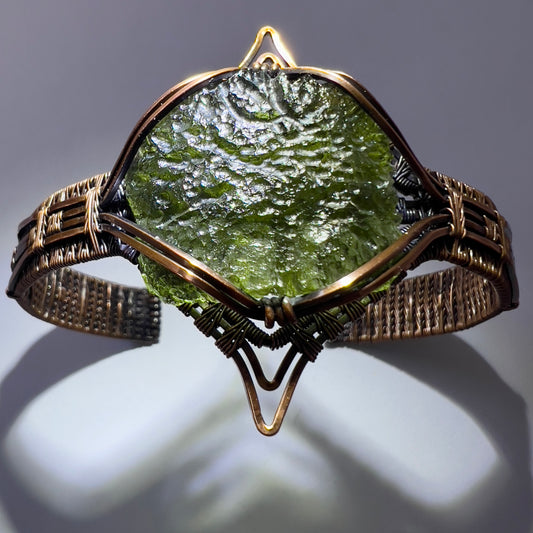
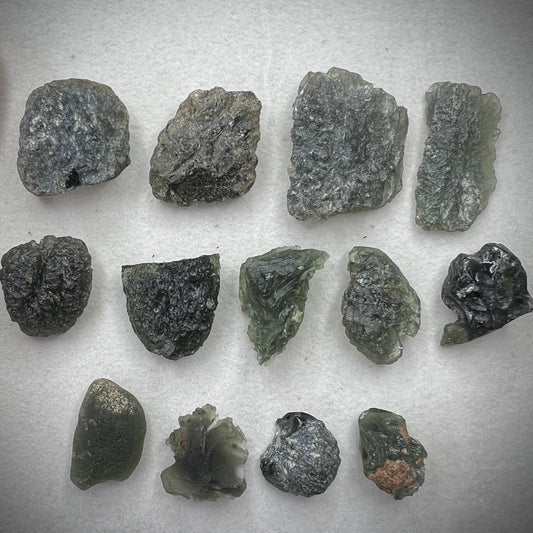
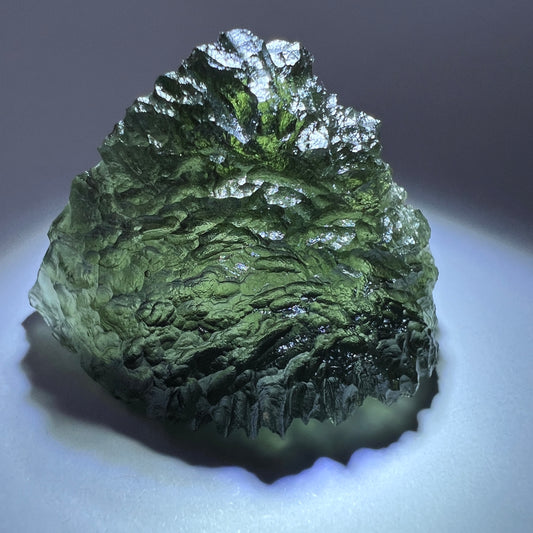
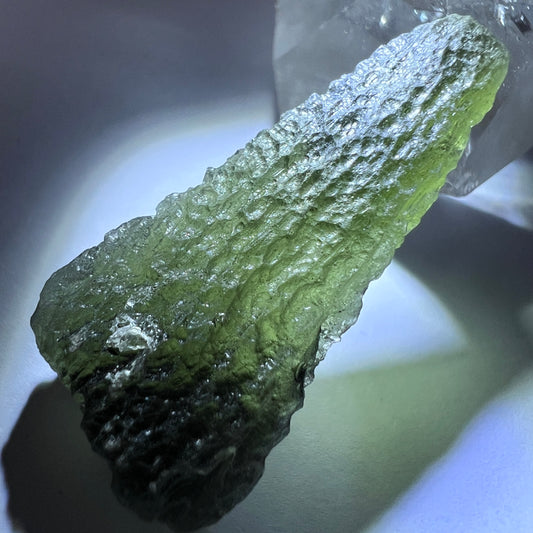
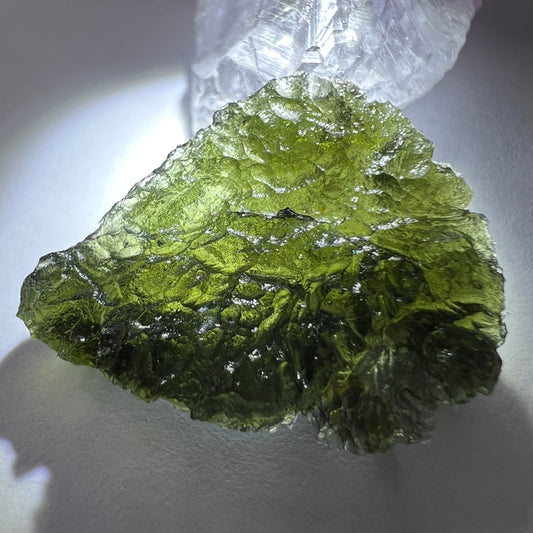
This guide walks you through exactly that, using the unique characteristics of pieces like the 36.95g Radomilice specimen, the compact hedgehog formation, and the sharply sculpted Maly Chlum stones — all sourced from the product links you provided. Think of this as a practical handbook with the warmth of a collector sharing experience, not instructions.
Choose the Piece That Sets the Tone for Your Collection
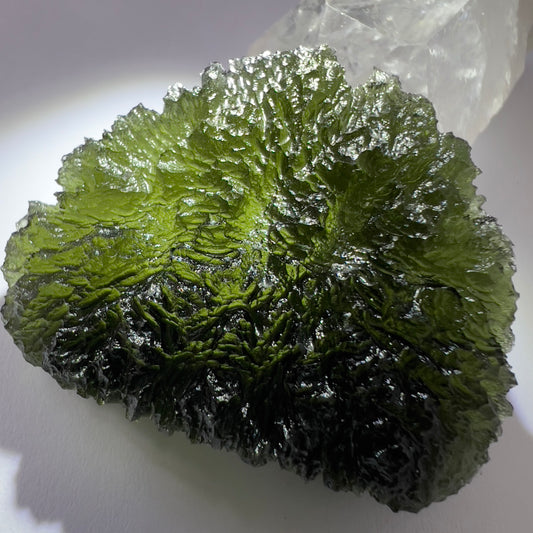
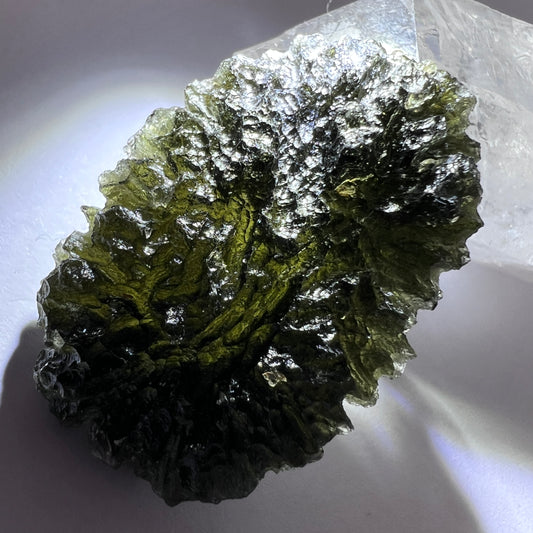
Every collection needs a star — that one stone that feels like the anchor of your gallery. If you’ve explored Moldavite NZ’s offering, you’ve likely noticed how commanding the 36.95g Moldavite stone specimen from Radomilice is. It’s the kind of piece you don’t tuck away. Its wide surface, deep natural grooves, and rich green clarity make it perfect for the centre of a shelf or display cabinet.
Medium-weight stones, like the 19.92g Moldavite rough specimen from the same locality, hold their own charm. They’re bold without overwhelming a space, and their irregular splash patterns catch light beautifully. These pieces often work well in pairs or trios, especially when you’re building a layered display.
And then there are the small-but-striking stones — like the 2.45g hedgehog Moldavite, famous for its spiky, bursting texture. These pieces tend to be conversation starters, especially when placed near soft lighting that exaggerates their silhouette.

Decide What Style Your Gallery Will Follow
Collectors usually gravitate toward one of two display styles, and there’s no right answer — it’s about what feels good in your space.
1. The Clean, Museum-Inspired Display
This style focuses on simplicity. Think:
- Matte black bases
- Floating acrylic stands
- Linen-lined trays
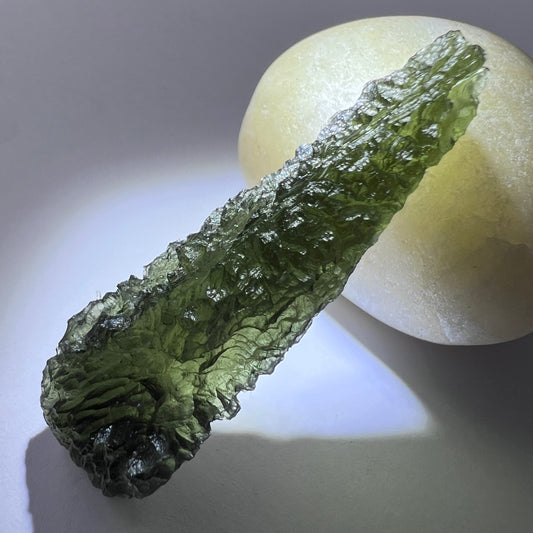
A sculptural piece like the 4.24g Maly Chlum specimen looks incredible in a minimalist setup. These stones have naturally elegant shapes, and giving them “breathing room” makes their textures feel even more dramatic.
2. The Atmospheric, Storytelling Display
Some collectors prefer to create a scene — a tiny universe on a shelf.
In this approach, Moldavite sits alongside other meteorite fragments, tektites, or complementary crystals. The hedgehog Moldavite, with its wild texture, shines in this style.
Its form communicates movement, making it perfect for a more immersive layout.
This style works particularly well when your aim is to celebrate the idea of Moldavite as a cosmic traveller, not just a mineral.
Let Lighting Become Part of the Art
Good lighting doesn’t just make your collection visible — it transforms your Moldavite gems and specimens into living artworks. Moldavite absorbs and reflects light in ways that surprise even experienced collectors.
Here’s what works best:
Soft, directional side lighting
This enhances texture, making stones like the Radomilice specimens look even more sculpted.
Subtle backlighting
Ideal for medium-to-smaller pieces. It brings forward the internal bubbles and textures inside stones like the Maly Chlum specimen.
Warm-toned spotlights
These prevent Moldavite from looking too harsh or artificial. The gentle warmth complements its natural green hue.
Avoid bright white LEDs. They flatten the depth and make the stone appear washed out.

Protect Your Moldavite Like the Rare Artifact It Is
Despite its dramatic formation, Moldavite is surprisingly delicate. It chips more easily than you’d expect, and its ridged surface collects marks if stored carelessly.
You can protect every Moldavite rough specimen in your collection with a few simple habits:
Store each piece separately
Harder stones will scratch Moldavite instantly, so dividing your pieces is essential.
Keep it out of prolonged sunlight
A little light is fine — Moldavite looks beautiful in it — but constant UV exposure can dull the surface over the years.
Use soft materials
Velvet pouches, cushioned boxes, and foam-lined compartments are perfect for keeping specimens secure.
Handle with clean, dry hands
Skin oils cling to the stone’s surface, dimming its natural glow.
Think of Moldavite like a historic document — sturdy enough to survive a meteor, but fragile in the wrong environment.
Rotate Your Display Like a Curator
One of the most enjoyable habits experienced collectors follow is rotation. Display a few pieces at a time, store the rest safely, and rotate them throughout the year.
Why? Because each Moldavite specimen for sale or in your possession has a different personality:
- The hedgehog piece brings high energy.
- The Radomilice giant offers grounding presence.
- The Maly Chlum specimen feels refined and artistic.
Rotating keeps your collection exciting for you — and safer from environmental stress.
Your Gallery Is a Reflection of Your Connection
Moldavite cannot be displayed in a uniform manner. Only you can do it with your unique style. The stones you've gathered, the memories you've associated with them, and the peaceful times you've spent examining their texture or following their grooves are all reflected in your gallery.
The attention to detail you put into the display becomes part of the narrative, whether you're presenting a single Moldavite stone specimen or curating an entire cosmic shelf. These qualities make Moldavite more like honoring the stones than actually owning them.